Flexi Tank Mixing Service
Professional Flexi Tank Mixing Service (Waikato)
Keeping solids in suspension is critical to maintaining usable capacity and preventing long-term sludge build-up.
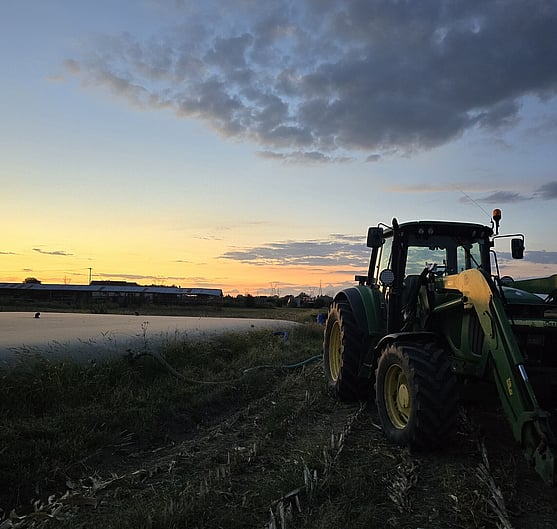
We offer a professional mixing service for Flexi Tank owners. Using high-volume equipment and the tank’s side and top mixing ports, we thoroughly agitate the contents so solids are resuspended and ready to be pumped out.
Ideal if:
Your tank has been sitting for an extended period
You don’t have a suitable high-volume pump on hand
You want a thorough mix before a major irrigation or empty-out
Book a mixing service — call Andre on 027 706 3633 or contact us
Why Regular Mixing Matters?
"Agitate before you irrigate"
Solids settling is a normal part of any effluent storage system. When effluent sits for a period of time, suspended solids naturally fall out of suspension — this happens in ponds, tanks, and flexible storage alike.
How much mixing is needed depends on the rest of the system:
Farms with mechanical separation or weeping walls send a much cleaner liquid to storage and generally need less frequent mixing
Well-designed sumps with mixers and good traps also reduce the solids load
Basic systems (sand trap and sump only) typically require more regular agitation of the storage itself
In a Flexi Tank, regular mixing keeps the effluent as a consistent slurry. This protects usable storage volume, reduces the risk of pump blockages, and ensures nutrients are evenly distributed when you irrigate.
Flexi Tanks are designed with multiple side mixing valves and dedicated top ports, giving good access for thorough agitation when it is needed.
How Often Should You Mix?
Industry best practice for effluent bladder tanks is far more frequent than many operators realize keeping in mind :
Ideal routine: 1-2 hours every 2 weeks
Minimum: once a month
Always mix thoroughly before any major draw-off or irrigation event
If the tank has been left stagnant for several months, expect a longer, more intensive mixing session
Infrequent mixing (every few months) allows solids to settle and stack layer on layer, making them much harder to resuspend later.
How to Mix a Flexi Tank
Flexi Tanks are designed with multiple side mixing valves and dedicated top mixing ports. This allows thorough agitation from different points.
Recommended method:
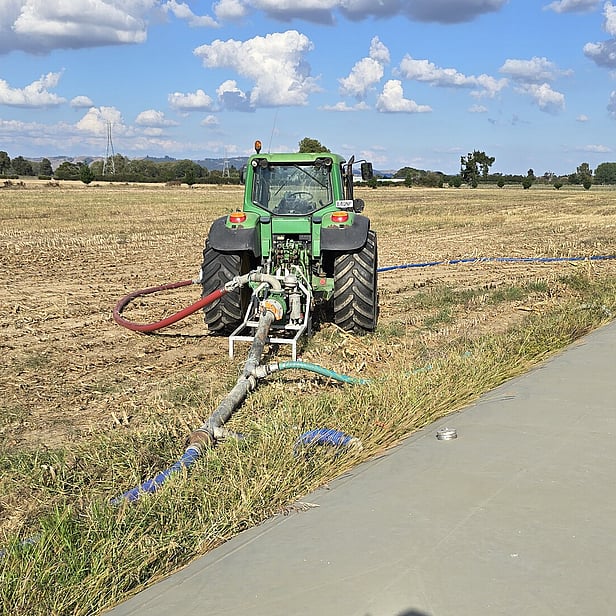
Use a high-volume PTO effluent pump (or large-capacity trash pump). Ordinary irrigation pumps usually do not provide enough flow.
Connect with a minimum 3 m flexible hose so there is no stress on the tank fittings.
Ensure the hose and valve connection are square and supported.
Suck effluent from one port and pump it back in through another port to create a swirling motion.
Work around the tank — use both side valves and top ports so the full volume is agitated. Top ports are particularly useful for breaking up any floating matter.
Mix for a minimum of 1-2 hours. Larger tanks or tanks that have been stagnant may need longer.
Best results when the tank is between half and three-quarters full.
Prevention First
The most effective solids management starts before the effluent enters the tank.
Keep sand traps and sumps clean and well maintained
Remove as much grit and heavy solids as possible upstream
The cleaner the effluent entering the Flexi Tank, the easier and more effective mixing becomes
Equipment & Practical Tips
Tractor PTO effluent pumps are ideal — they move large volumes at useful pressure
Use a minimum 3 m flexible hose
Support hoses so valves are not under side load
Combine mixing with irrigation where practical
An annual complete empty and flush helps remove residual solids that regular mixing may not fully clear
Safety Note!
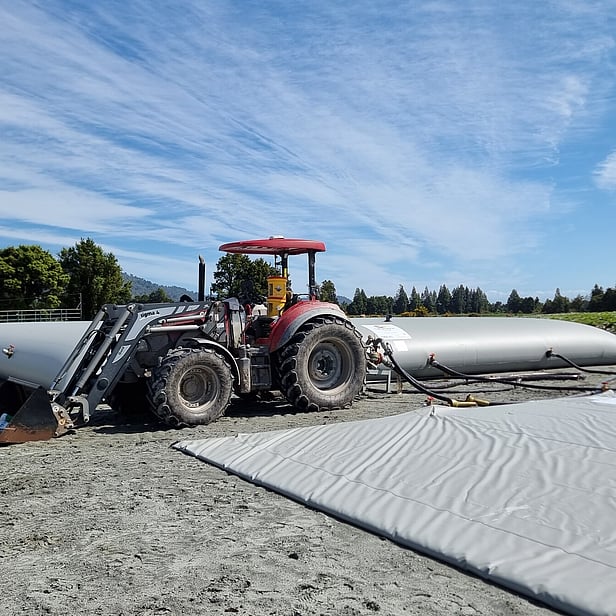
Agitation can release hazardous gases including methane, H2S, CO2, Nitrous Oxide and more . Always ensure adequate ventilation and follow standard health and safety protocols when mixing.
Need Help?
Whether you want advice on setting up your own mixing routine or prefer to book our professional mixing service, we’re happy to help.